
2024
Go
Go makes Web3 and DeFi easy for everyone with simple wallet setup, smart recommendations, cross-chain support, and real-time gas fee savings.
Fintech
Transaction Design
Know More
Go was built for the 70% who never made it through onboarding. This project explores what Web3 feels like when complexity is stripped away and confidence takes its place.®
Your Gateway to Seamless Web3 Management.
Go reimagines what it means to participate in the decentralised web. Inspired by the friction that keeps everyday people out of Web3, this project set out to turn one of the most technically intimidating spaces in tech into something anyone could navigate with confidence. From wallet setup to cross-chain transactions, every interaction was designed around a single question; what would this feel like to someone doing it for the first time? The result is an experience that doesn't ask users to meet Web3 halfway. It meets them where they are.

Problem
70% of potential Web3 users abandon onboarding before completing it. Complex interfaces, opaque fees, and unreliable wallet management aren't just inconveniences, they're the walls keeping mainstream adoption out.
Web3 holds enormous promise, but for most people it remains completely out of reach. Today's DeFi apps were built by technically fluent users, for technically fluent users, and it shows. Onboarding flows demand knowledge most people don't have. Wallet management is fragile and confusing. Gas fees appear without warning and without explanation. And when something goes wrong, there is rarely any guidance on what to do next. Research confirms what users already feel: 70% abandon onboarding due to complexity, 45% struggle with wallet management, and 60% cite fees and lack of transparency as their biggest deterrents. The technology is ready for the mainstream. The experience is not.
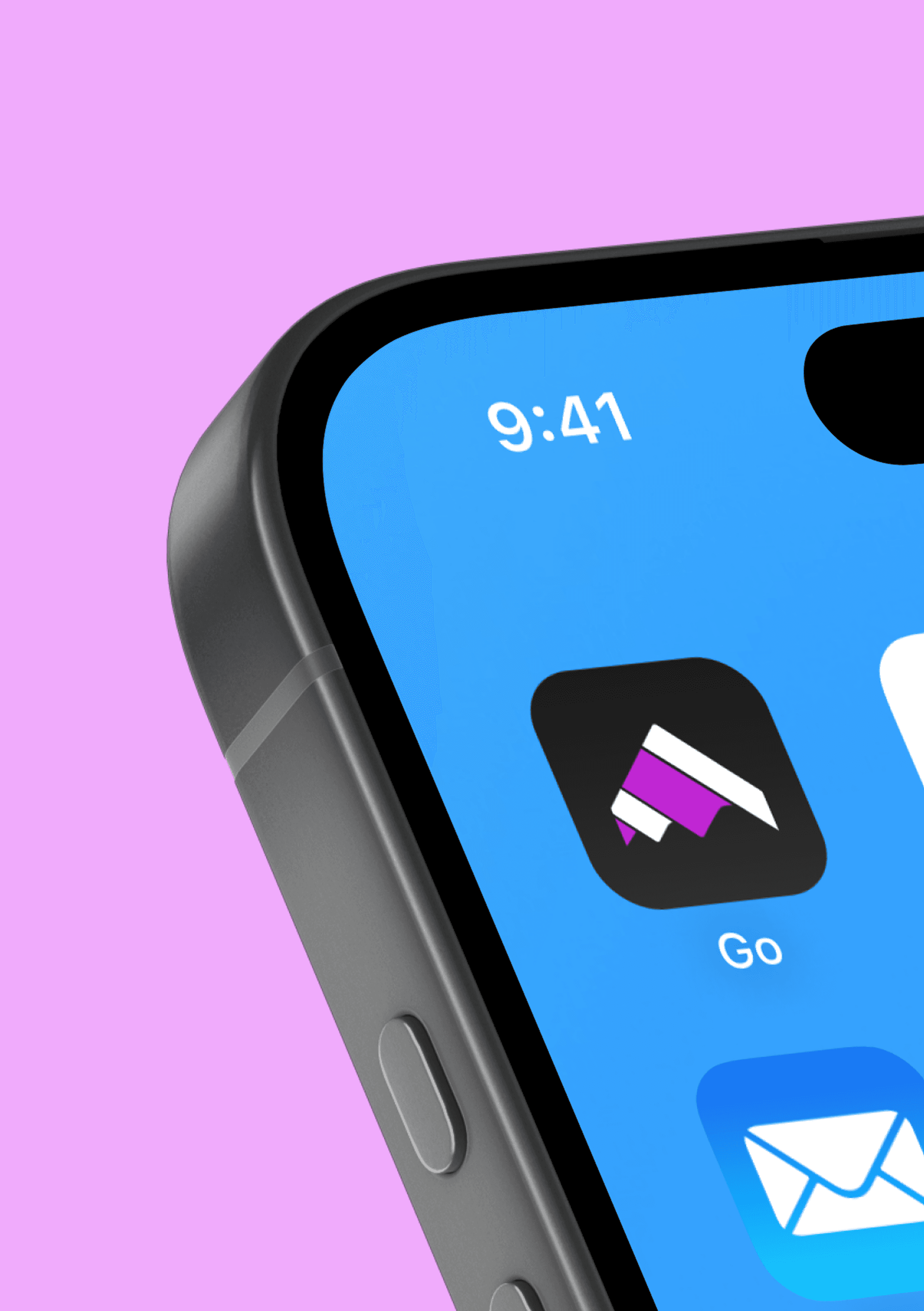

Solution
Go is designed to close the gap between Web3's potential and the people it should be serving; with intuitive onboarding, transparent fees, and wallet management that actually makes sense.
Go is the answer to a problem the crypto industry has largely ignored, that brilliant technology means nothing if ordinary people cannot use it. The app rebuilds the Web3 experience from the ground up around the needs of real users, not power users. Onboarding is guided, clear, and forgiving. Wallet setup takes minutes, not tutorials. DeFi recommendations are personalised so users aren't left guessing where to start. Cross-chain compatibility removes the walls between ecosystems, and real-time gas fee optimization means no more unwelcome surprises at the point of transaction. Go doesn't dumb Web3 down, it opens it up. For beginners finding their footing and for experienced users who simply want things to work, it is the decentralized future made accessible.

Concept
Go is built on one belief, that access to decentralized finance should not require a technical degree. Every design decision traces back to that principle.
Your relationship with money is personal. Your tools for managing it should feel the same way. Go was conceived as more than a wallet app. It is a rethinking of how people relate to decentralized finance. The concept began with a hard truth: the gap between crypto's ambition and its usability has become its biggest barrier. So rather than designing around the technology, Go was designed around the person using it. Every screen, every interaction, every moment of feedback was stress-tested against a simple standard; does this feel safe, clear, and in control? The visual language is calm and confident. The architecture is deep but never overwhelming. And the experience scales, from a first-time user making their initial transaction, to a seasoned trader managing assets across multiple chains. Go is what Web3 looks like when it finally stops asking users to adapt to it.


More Works
(GQ® — 02)
©2026


FAQ
01
What does a project look like end to end?
02
Are projects scope fixed or flexible?
03
How do you price your work?
04
What does successful outcome look like?
05
What is the Return on Investing in UX?
06
What do I need to prepare before we start?
2024
Go
Go makes Web3 and DeFi easy for everyone with simple wallet setup, smart recommendations, cross-chain support, and real-time gas fee savings.
Fintech
Transaction Design
Know More
Go was built for the 70% who never made it through onboarding. This project explores what Web3 feels like when complexity is stripped away and confidence takes its place.®
Your Gateway to Seamless Web3 Management.
Go reimagines what it means to participate in the decentralised web. Inspired by the friction that keeps everyday people out of Web3, this project set out to turn one of the most technically intimidating spaces in tech into something anyone could navigate with confidence. From wallet setup to cross-chain transactions, every interaction was designed around a single question; what would this feel like to someone doing it for the first time? The result is an experience that doesn't ask users to meet Web3 halfway. It meets them where they are.
Problem
70% of potential Web3 users abandon onboarding before completing it. Complex interfaces, opaque fees, and unreliable wallet management aren't just inconveniences, they're the walls keeping mainstream adoption out.
Web3 holds enormous promise, but for most people it remains completely out of reach. Today's DeFi apps were built by technically fluent users, for technically fluent users, and it shows. Onboarding flows demand knowledge most people don't have. Wallet management is fragile and confusing. Gas fees appear without warning and without explanation. And when something goes wrong, there is rarely any guidance on what to do next. Research confirms what users already feel: 70% abandon onboarding due to complexity, 45% struggle with wallet management, and 60% cite fees and lack of transparency as their biggest deterrents. The technology is ready for the mainstream. The experience is not.
Solution
Go is designed to close the gap between Web3's potential and the people it should be serving; with intuitive onboarding, transparent fees, and wallet management that actually makes sense.
Go is the answer to a problem the crypto industry has largely ignored, that brilliant technology means nothing if ordinary people cannot use it. The app rebuilds the Web3 experience from the ground up around the needs of real users, not power users. Onboarding is guided, clear, and forgiving. Wallet setup takes minutes, not tutorials. DeFi recommendations are personalised so users aren't left guessing where to start. Cross-chain compatibility removes the walls between ecosystems, and real-time gas fee optimization means no more unwelcome surprises at the point of transaction. Go doesn't dumb Web3 down, it opens it up. For beginners finding their footing and for experienced users who simply want things to work, it is the decentralized future made accessible.
Concept
Go is built on one belief, that access to decentralized finance should not require a technical degree. Every design decision traces back to that principle.
Your relationship with money is personal. Your tools for managing it should feel the same way. Go was conceived as more than a wallet app. It is a rethinking of how people relate to decentralized finance. The concept began with a hard truth: the gap between crypto's ambition and its usability has become its biggest barrier. So rather than designing around the technology, Go was designed around the person using it. Every screen, every interaction, every moment of feedback was stress-tested against a simple standard; does this feel safe, clear, and in control? The visual language is calm and confident. The architecture is deep but never overwhelming. And the experience scales, from a first-time user making their initial transaction, to a seasoned trader managing assets across multiple chains. Go is what Web3 looks like when it finally stops asking users to adapt to it.
More Works
(GQ® — 02)
©2026
FAQ
01
What does a project look like end to end?
02
Are projects scope fixed or flexible?
03
How do you price your work?
04
What does successful outcome look like?
05
What is the Return on Investing in UX?
06
What do I need to prepare before we start?
2024
Go
Go makes Web3 and DeFi easy for everyone with simple wallet setup, smart recommendations, cross-chain support, and real-time gas fee savings.
Fintech
Transaction Design
Know More
Go was built for the 70% who never made it through onboarding. This project explores what Web3 feels like when complexity is stripped away and confidence takes its place.®
Your Gateway to Seamless Web3 Management.
Go reimagines what it means to participate in the decentralised web. Inspired by the friction that keeps everyday people out of Web3, this project set out to turn one of the most technically intimidating spaces in tech into something anyone could navigate with confidence. From wallet setup to cross-chain transactions, every interaction was designed around a single question; what would this feel like to someone doing it for the first time? The result is an experience that doesn't ask users to meet Web3 halfway. It meets them where they are.
Problem
70% of potential Web3 users abandon onboarding before completing it. Complex interfaces, opaque fees, and unreliable wallet management aren't just inconveniences, they're the walls keeping mainstream adoption out.
Web3 holds enormous promise, but for most people it remains completely out of reach. Today's DeFi apps were built by technically fluent users, for technically fluent users, and it shows. Onboarding flows demand knowledge most people don't have. Wallet management is fragile and confusing. Gas fees appear without warning and without explanation. And when something goes wrong, there is rarely any guidance on what to do next. Research confirms what users already feel: 70% abandon onboarding due to complexity, 45% struggle with wallet management, and 60% cite fees and lack of transparency as their biggest deterrents. The technology is ready for the mainstream. The experience is not.
Solution
Go is designed to close the gap between Web3's potential and the people it should be serving; with intuitive onboarding, transparent fees, and wallet management that actually makes sense.
Go is the answer to a problem the crypto industry has largely ignored, that brilliant technology means nothing if ordinary people cannot use it. The app rebuilds the Web3 experience from the ground up around the needs of real users, not power users. Onboarding is guided, clear, and forgiving. Wallet setup takes minutes, not tutorials. DeFi recommendations are personalised so users aren't left guessing where to start. Cross-chain compatibility removes the walls between ecosystems, and real-time gas fee optimization means no more unwelcome surprises at the point of transaction. Go doesn't dumb Web3 down, it opens it up. For beginners finding their footing and for experienced users who simply want things to work, it is the decentralized future made accessible.
Concept
Go is built on one belief, that access to decentralized finance should not require a technical degree. Every design decision traces back to that principle.
Your relationship with money is personal. Your tools for managing it should feel the same way. Go was conceived as more than a wallet app. It is a rethinking of how people relate to decentralized finance. The concept began with a hard truth: the gap between crypto's ambition and its usability has become its biggest barrier. So rather than designing around the technology, Go was designed around the person using it. Every screen, every interaction, every moment of feedback was stress-tested against a simple standard; does this feel safe, clear, and in control? The visual language is calm and confident. The architecture is deep but never overwhelming. And the experience scales, from a first-time user making their initial transaction, to a seasoned trader managing assets across multiple chains. Go is what Web3 looks like when it finally stops asking users to adapt to it.
More Works
©2026
FAQ
What does a project look like end to end?
Are projects scope fixed or flexible?
How do you price your work?
What does successful outcome look like?
What is the Return on Investing in UX?
What do I need to prepare before we start?